OEM vs ODM vs Private Label for Pet Brands: Which One Fits You?
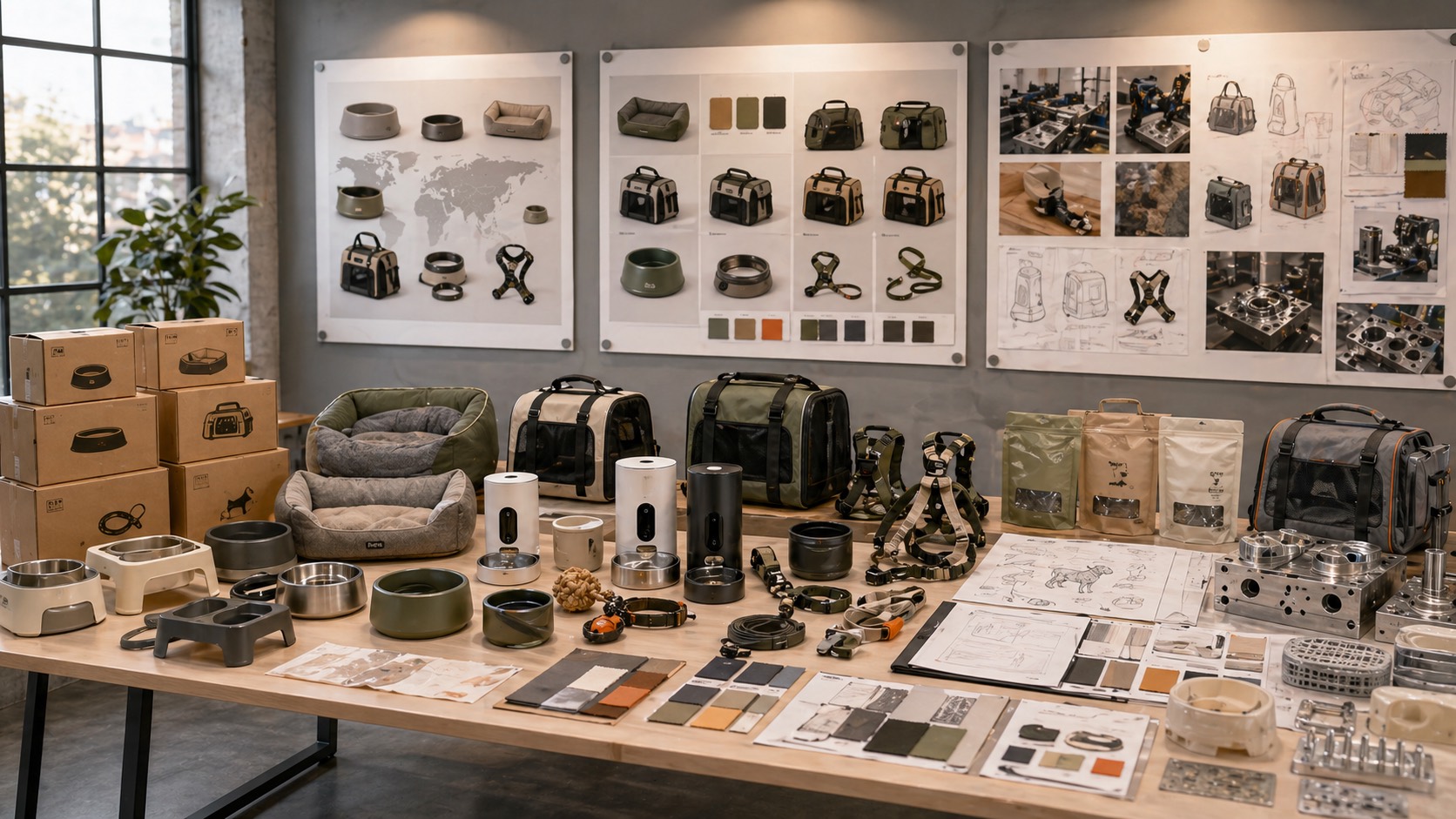
The three acronyms get used interchangeably — which is exactly why projects go wrong. Before you sign a PO, be clear on which model you're buying. Here is how we draw the line at PET & TRADE, and how to pick for your business.
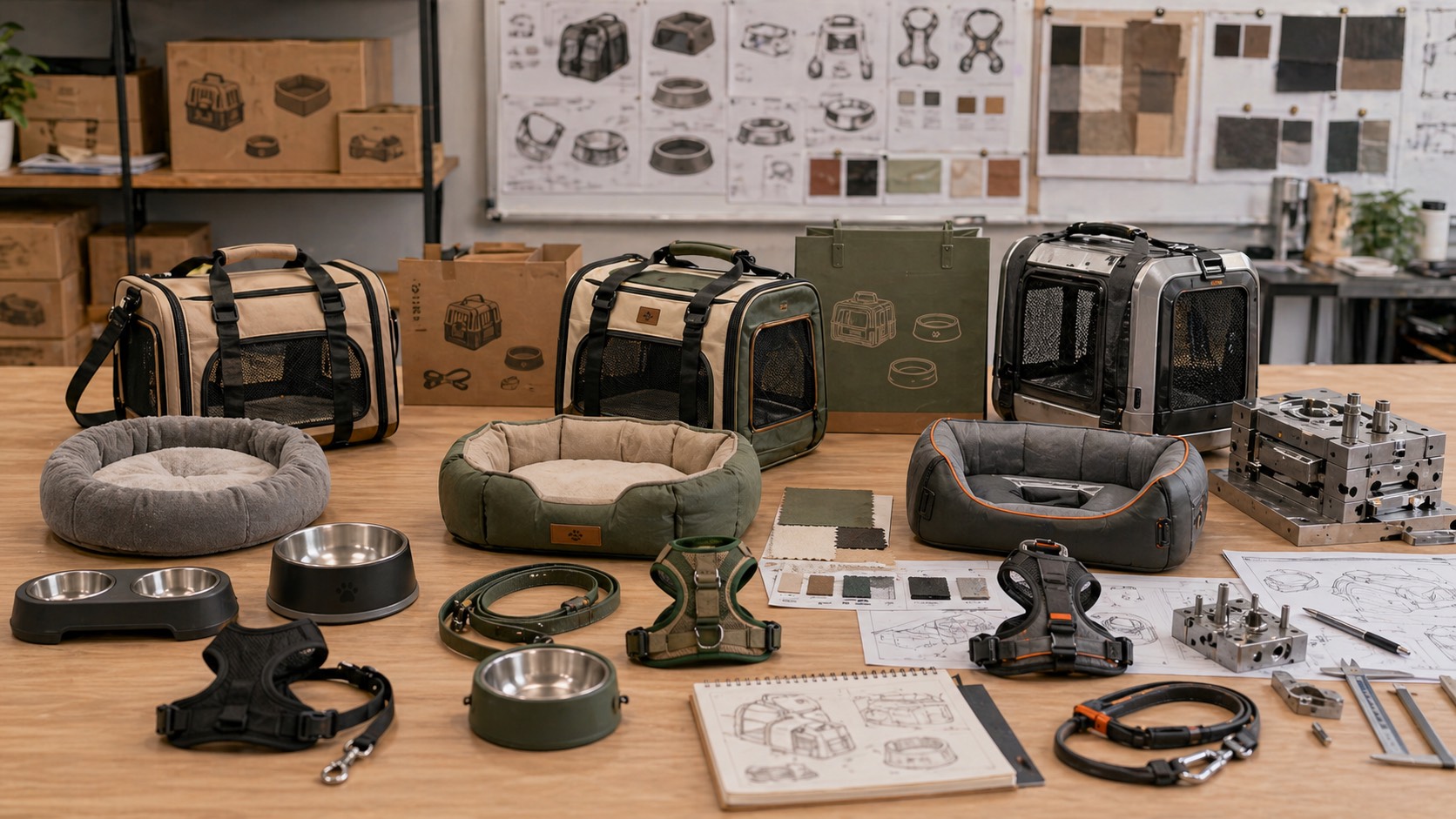
1. Definitions you can actually use
- OEM (Original Equipment Manufacturing) — you bring the finished design and spec; the factory manufactures to your drawings, your tooling, your packaging. Maximum IP ownership, maximum investment.
- ODM (Original Design Manufacturing) — you pick from the factory's existing designs and we customize: colors, materials, branding, packaging, sometimes firmware UI. Faster, lower MOQ, shared or licensed IP.
- Private Label — you take our standard SKU and add your logo and retail packaging. Fastest route to shelf, lowest MOQ, no IP exclusivity.
2. Cost structure compared
- OEM: tooling USD 3,000–15,000 + unit cost. Tooling typically refundable against 3–5× MOQ milestones.
- ODM: no tooling (or small mod-fee USD 200–1,500) + unit-cost premium of 8–20% over Private Label.
- Private Label: zero tooling, fastest margin, but you compete with factory-direct copies of the same SKU.
3. Timeline reality check
- OEM: 60–120 days from brief to first shipment (design + tooling + sample + production).
- ODM: 30–50 days from sign-off to shipment.
- Private Label: 20–30 days from PO to shipment.
4. IP ownership — the line most buyers miss
- OEM: buyer owns artwork, trade dress, and (on full tooling payment) exclusive moulds. The factory cannot sell this SKU to anyone else.
- ODM: shared IP. You may get 6–12 months of market exclusivity on your color/artwork, but the base design remains factory-owned.
- Private Label: no IP. Your logo is yours; the product can be resold by the factory.
5. Which model fits your scenario
- Retail chain launching a seasonal capsule → Private Label or ODM. Speed matters more than uniqueness.
- DTC brand building a moat on Amazon / Shopify → OEM. You need a product nobody else can list.
- Subscription box → Private Label + rotating ODM. Volume plus novelty.
- Specialty distributor → ODM. Price competitiveness plus differentiation.
- Vet channel / medical device-adjacent → OEM. Regulatory ownership is non-trivial.
6. A simple decision tree
- Do you already have a product design? → Yes: OEM. No: continue.
- Do you need 12+ months of market exclusivity? → Yes: OEM. No: continue.
- Do you need MOQ under 500? → Yes: Private Label. No: ODM.
- Is your retail margin sensitive to an 8–20% unit-cost premium? → Yes: Private Label. No: ODM.
OEM trap to avoid: most OEM failures trace to three things — unclear tooling ownership (write it into the PO), under-scoped firmware/app work on smart products (spec the app in the NDA stage), and unclear regulatory hand-off (who owns the certificate — you or the factory?). Treat these as a non-negotiable checklist.
7. How we structure each path
At PET & TRADE we publish separate playbooks for OEM, ODM and Private Label: MOQ, tooling ranges, timeline and IP terms. If you are not sure which path fits, send us your business model (channel, volume, category) and we will map it with you. That is exactly what the discovery call is for.
Next Step
Start a Project Brief
Tell us your channel, target volume, and category. We reply within 24 hours with the right model plus an MOQ / tooling / timeline sheet.
Open the Brief Form →