Why Your Pet Store Needs Eco-Friendly Products
How should buyers use this article?
Why Your Pet Store Needs Eco-Friendly Products is a PetProcure insights resource for B2B buyers comparing pet product sourcing, OEM/ODM, sampling, QC, packaging, compliance, logistics, and launch planning decisions. Eco-friendly assortments are no longer niche. They help pet retailers win trust, improve basket mix, and build stronger private-label stories. Use the article to clarify what information to ask a factory or sourcing partner before committing to a sample, tooling, purchase order, or repeat procurement plan. Final product terms still depend on the buyer's target market, MOQ, customization scope, material requirements, certification needs, packaging plan, and delivery schedule.
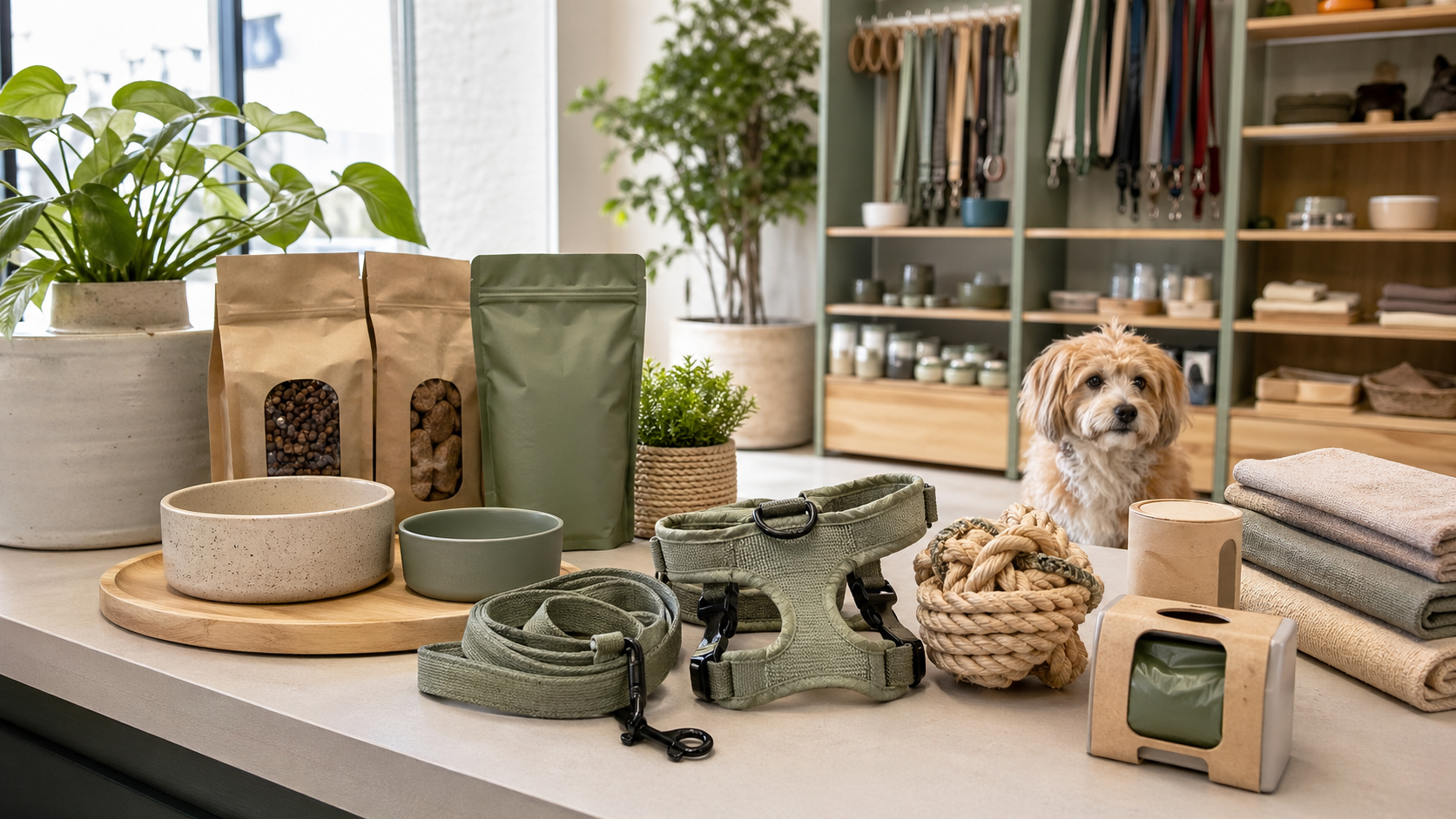
Pet consumers are becoming far more practical about sustainability. They are not only reacting to broad environmental messaging. They are paying attention to packaging waste, refillability, material feel, durability, and whether a product aligns with the values of their household. For pet retailers, eco-friendly products are now a commercial category with clear conversion potential.
1. Sustainability strengthens first impression and brand trust
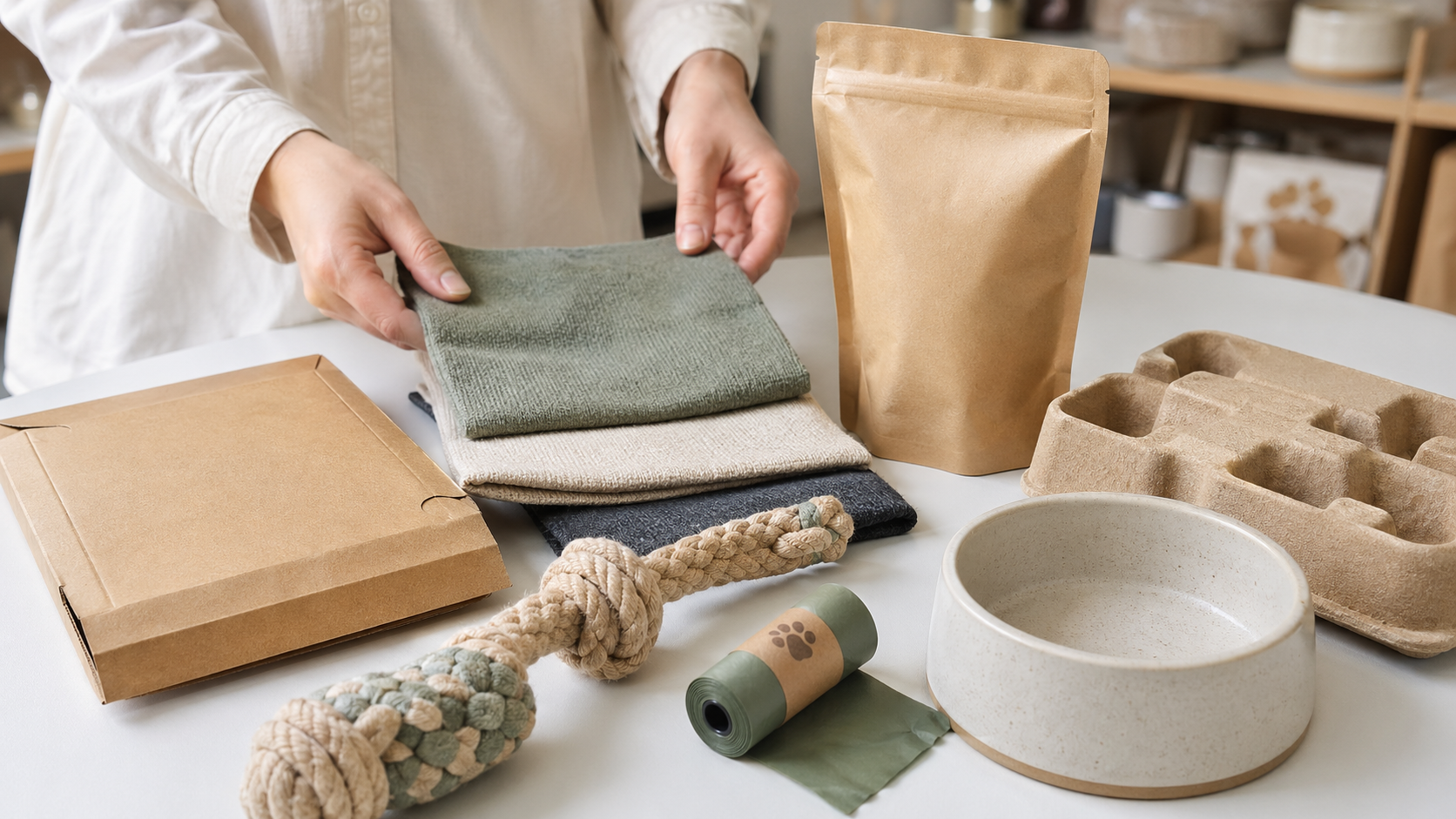
When shoppers compare similar pet products, visible signals matter. Kraft packaging, recycled fibers, water-based printing, and transparent material callouts help a product communicate value before the customer reads the fine print. Eco-friendly assortments improve trust at the shelf, in catalog photography, and on marketplace listings.
2. Eco ranges help retailers move beyond price-only competition
Stores that compete only on discounting are easy to replace. Stores that build a point of view are harder to copy. A curated eco-friendly range gives retailers a clearer identity: responsible, modern, design-aware, and aligned with healthier pet lifestyles. That positioning supports stronger average order value and better storytelling across email, social, and in-store displays.
- Compostable waste-bag programs create repeat purchase cycles.
- Recycled textile accessories support premium gift bundles.
- Natural-material toys photograph well for content marketing and seasonal campaigns.
3. Packaging efficiency improves both cost and customer experience
Eco-friendly product development often uncovers logistics wins. Lighter packaging, flatter pack structures, and reduced insert volume lower freight burden and make warehouse handling easier. At the same time, customers receive a cleaner unboxing experience with less waste. Good sustainability work frequently improves operations on both sides of the order.
4. Private-label programs become easier to differentiate
Retailers building their own label need more than a logo. They need a reason for shoppers to remember the range. Sustainable material choices, refillable formats, responsible color palettes, and clear product claims create that reason. An eco line gives private-label products a distinctive story that can extend across toys, bowls, grooming, and travel accessories.
5. The category performs best when backed by clear education
Eco-friendly assortments should not rely on vague promises. Product cards, shelf talkers, and online detail pages need simple explanations: what is recycled, what is biodegradable, what can be reused, and how the packaging reduces waste. Clear language lowers confusion and increases conversion.
For modern pet stores, sustainability is not a separate corner of the assortment. It is becoming part of the core buying logic. Retailers that start building that mix now will be better positioned to grow premium sales, increase loyalty, and launch private-label products with more lasting relevance.